
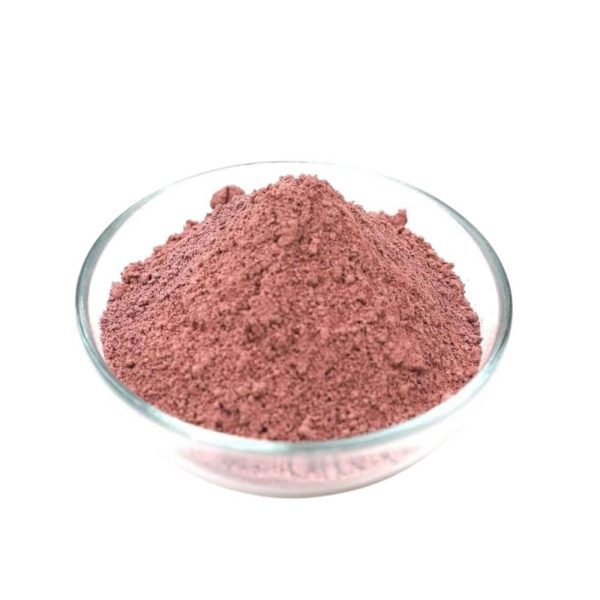
Rose Clay Powder
$ 1.19
Rose Clay Powder
Description Rose clay is a gentle, naturally pink kaolin clay known for its mild exfoliating and detoxifying properties. It’s ideal for sensitive skin and commonly used in masks, cleansers, and handmade skincare products. It is a fine, rose-coloured clay, and a type of naturally-occurring Kaolin Clay that originates from France. Rose clay is a type of Kaolin Clay. Generally, Kaolins are a mild type of clay made up of Kaolinite, which is a skin-loving mineral. Rose Clay is a mild Kaolin Clay commonly used at home or added to skincare product formulations for its exfoliating and moisturizing properties. This clay gets its rosy colour from natural Iron Oxide, which it contains. Rose clay, also known as pink kaolin clay, is a naturally mild and mineral-rich cosmetic clay ideal for sensitive and mature skin types. Its soft texture and gentle exfoliating properties make it a favourite among formulators for facial masks, cleansers, soaps, and scrubs. It’s also used as a natural soap colourant. Known for its mild detoxifying properties, Rose Clay gently draws out impurities from skin while soothing sensitive skin. It also helps balance oil production, and promotes a smoother, more radiant complexion. Rose Clay is widely used in cosmetic formulations for its gentle cleansing, exfoliating, and oil-absorbing properties – making it suitable for sensitive skin and scalp care. It’s a favorite in masks, scrubs, soaps, and facial cleansers. Common Uses of Rose Clay in the Cosmetic Industry Here’s how formulators and DIYers typically incorporate rose clay into their products: Facial Masks: Rose clay is prized for its ability to draw out impurities without stripping the skin. It helps refine pores, calm inflammation, and brighten the complexion. Cleansers & Scrubs: Its fine texture makes it a gentle exfoliant, suitable for daily use in cleansing bars and exfoliating scrubs. Soaps: Rose Clay adds a natural pink hue and silky texture to cold-process and melt-and-pour soaps, while enhancing their cleansing power. Body Masks: Commonly used in spa treatments to detoxify and soften the skin, especially for sensitive or dry skin types. Scalp Treatments: Helps absorb excess oil and soothe irritation when used in scalp masks or detoxifying hair products. More About Rose Clay INCI Name: Kaolin (White Clay) (and) Iron Oxide Other Names: Pink Clay, Pink Kaolin Clay, Rose Clay Powder, Rose Clay Components/ Ingredients: Kaolin Clay, Iron Oxide (Also contains these skin-loving minerals: Iron, Illite, Montmorillonite and Calcite) Obtained From: Rocks and soils containing Kaolinite, a clay mineral Ingredient Function: Exfoliation, Cleansing and Purifying Common Uses: DIY Face masks for glowing and clear skin, face packs; as soap colourant; formulation of cleansing products including bath bomb, talc-free natural face and body powder Appearance: Fine, soft, pink powder Colour: Rose-Pink; comes in light to medium pink shade. Texture: Fine powdery feel Solubility: Water; forms a smooth paste with water Storage: Store in a cool and dry place, away from moisture Shelf Life: Indefinite, if properly stored Usage Rates: 0.1-60% Liquid Soaps and Shampoo: 2% to 10% Masks and Spa use: 10% to 30% Cold & Hot Process Soap (as Colourant): 1 tablespoon per kilogram of soap OR 1 teaspoon per 500 grams of oils* Melt and Pour Soaps (as Colourant): Half to 1 teaspoon per 500 grams of soap base* Cleansing Bar Soaps: 5 to 20% Facial and Body Muds (Spa use): 5 to 25% *NOTE: You can add more or less Rose Clay Powder until you achieve your desired colour intensity. The above recommended usage rates will not colour the soap lather. Formulation Guidelines/ Notes: For Cold Process Soap Making: First make a slurry/ paste with some water and Rose Clay (mix 1 part clay to 1 part water), OR add some Rose Clay into a thinly-traced soap. *When to Add in Rose Clay: before adding your Essential or Fragrance oil. For Melt and Pour soap, pre-mix 1 teaspoon Rose Clay with 1 tablespoon of 99 percent Isopropyl Alcohol (known as rubbing alcohol) or water. Then add the pre-mixed clay, half teaspoon at a time, to your melted soap When using Clays for Soap Colouring: Adding too much Rose Clay may lead to coloured lather/ foam. Test first with a small batch of different amounts of Rose Clay added to a specific amount of soap base. Later compare the colour outcomes and decide the best usage rate for your desired colour depth, before making a big batch. also test your small samples for lather colour. Common Applications of Rose Clay Due to its natural cleansing and skin-purifying properties, Rose Clay is commonly added as an ingredient to cleansing products. Examples of products that have rose clay in their ingredient list include: As a natural colourant for bar soaps. Rose Kaolin Clay is used to colour soaps to pink Facial washes and cleansers Face masks, cleansing balms Face and body scrubs Bath bombs Hair Masks Talc-free Calming Body Powders and Face Powders Deordorants Spa treatments, including mud masks for body, face masks and more Properties and Benefits of Rose Clay Powder to the Skin Hydration: Rose Clay does not dry out the skin. It helps hydrate and keep the skin soft and supple Mild Exfoliating Property: Rose Clay helps lift away dull and dead skin cells so that new skin cells are revealed, making the skin and complexion look brighter and healthy Unclogs and Tightens the Pores: Due to its cleansing and purification properties, Rose Clay helps absorb excess oil, dirt and impurities from the skin (such as makeup, sebum), leaving the pores clean and tightened Skin Renewal Properties: Due to its high mineral content, Rose Clay helps to revitalize and renew the skin Reduces excess oil from the face and balances the skin, without stripping off the skin’s natural oils. So, Rose Clay does not leave the skin dry Non-irritating and gentle on the skin Fast Absorbing and non-drying Suitable for all skin types FAQ: Why Are Some Rose Clays More Pinker Than Others? That’s due to nature. Rose Clay gets it’s pinky colour from the Iron Oxide it contains. The more the Iron Oxide content in the clay, the more pinky the clay would be. Some Rose Clays naturally have more Iron Oxide content than others, and that is why they are more pink in colour. *NOTE: Colour intensity of this natural clay may vary from batch to batch. **This is a cosmetic clay; For external use only; Not to be ingested/ eaten. *NOTE: Colour of this nature-derived product may vary slightly from the image , and from batch to batch, as nature doesn’t always make exact duplicates. For external use only (not to be consumed internally/ eaten).
Productos que te pueden interesar
- OFERTASELECCIONÁ OPCIONES This product has multiple variants. The options may be chosen on the product page
- SELECCIONÁ OPCIONES This product has multiple variants. The options may be chosen on the product page
Light Blue 9010 Series ESD Jackets: V-Neck, Three Snap Adjustment Sleeve
AzulMoradoRojoRosaVerde Neon52 mm53 mm56 mm